Good Bacteria vs. Bad Bacteria in Your Gut: What You Need to Know
By Dr. Rajdeep More | Gastroenterologist in Thane & Mulund
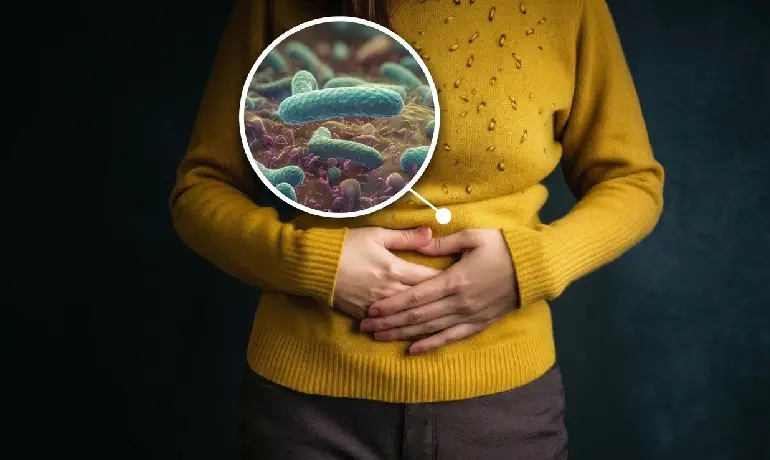
Your gut is home to trillions of microorganisms, including bacteria, fungi, and other microbes, collectively known as the gut microbiome. While some bacteria can cause illness, many are essential for digestion, immunity, and overall health.
Maintaining the right balance between good bacteria and harmful bacteria is important for keeping your digestive system healthy. When this balance is disturbed, it can contribute to various digestive and health problems.
What Is the Gut Microbiome?
The gut microbiome refers to the community of microorganisms living inside your digestive tract, especially the large intestine. These microbes play an important role in digestion, nutrient absorption, immune function, and maintaining gut health.
Every person's microbiome is unique and influenced by factors such as diet, lifestyle, environment, genetics, medications, and overall health.
A healthy gut microbiome depends on diversity, meaning a wide variety of beneficial bacteria living together in balance.
What Are Good Gut Bacteria?
Good bacteria are beneficial microorganisms that support digestion, protect against harmful microbes, and help maintain overall health.
Lactobacillus
Lactobacillus is one of the most well-known beneficial bacteria. It helps create an environment that prevents the growth of harmful microorganisms and supports digestion.
These bacteria are commonly found in fermented foods such as yoghurt and are also used in probiotic supplements.
Bifidobacterium
Bifidobacterium helps break down dietary fibre and produces short-chain fatty acids that support the health of the intestinal lining.
Faecalibacterium prausnitzii
This beneficial bacteria produces butyrate, an important compound that supports colon health and helps reduce inflammation in the gut.
Akkermansia muciniphila
Akkermansia helps maintain the protective mucus layer of the intestine and is associated with healthy metabolism and improved gut barrier function.
Benefits of Good Gut Bacteria
Supports Immune Function
A large part of the immune system is connected with the gut. Beneficial bacteria help regulate immune responses and protect the body from harmful microorganisms.
Improves Digestion
- Helps break down certain foods
- Supports nutrient absorption
- Reduces digestive discomfort
Supports Mental Health
The gut and brain communicate through the gut-brain axis. Healthy gut bacteria may influence mood, stress response, and overall mental wellbeing.
Produces Essential Nutrients
Certain gut bacteria help produce important nutrients, including vitamin K and some B vitamins, which support various body functions.
What Are Bad Gut Bacteria?
Harmful bacteria are microorganisms that can cause disease when they multiply excessively or when the normal balance of gut bacteria is disturbed.
Clostridioides difficile (C. diff)
C. diff can cause severe diarrhoea and inflammation of the colon, especially after antibiotic use disrupts the normal gut microbiome.
Helicobacter pylori (H. pylori)
H. pylori affects the stomach lining and is a major cause of gastritis and stomach ulcers. Long-term infection may increase the risk of certain stomach complications.
Harmful Strains of E. coli
While many E. coli bacteria are harmless, certain strains can cause food poisoning and serious digestive infections.
Salmonella and Campylobacter
These foodborne bacteria can cause gastrointestinal infections, diarrhoea, and abdominal pain.
What Causes Imbalance in Gut Bacteria?
An imbalance between beneficial and harmful bacteria is known as dysbiosis. Several lifestyle factors can disturb the natural balance of the gut microbiome.
- Overuse of antibiotics
- Diets high in processed foods and refined sugars
- Chronic stress
- Lack of physical activity
- Excess alcohol consumption and smoking
- Poor sleep habits
How Can You Support Good Gut Bacteria?
Eat a Fibre-Rich Diet
Fibre-rich foods such as vegetables, fruits, legumes, whole grains, nuts, and seeds provide nourishment for beneficial gut bacteria.
Include Fermented Foods
- Yoghurt
- Kefir
- Idli and dosa
- Kimchi
- Traditional fermented foods
Fermented foods contain beneficial microorganisms that may help improve gut bacteria diversity.
Use Probiotics and Prebiotics Wisely
Probiotics contain live beneficial bacteria, while prebiotics provide food for these bacteria. However, choosing the right probiotic depends on individual health needs.
Maintain a Healthy Lifestyle
- Exercise regularly
- Manage stress effectively
- Get adequate sleep
- Avoid unnecessary antibiotics
When Should You See a Gastroenterologist?
Consult Dr. Rajdeep More if you experience:
- Persistent bloating
- Frequent diarrhoea or constipation
- Recurring abdominal pain
- Digestive discomfort that does not improve
- Unexplained changes in bowel habits
A gastroenterologist can evaluate your digestive health and recommend appropriate tests or treatment based on your symptoms.
Living Well With a Healthy Gut
A healthy gut microbiome supports digestion, immunity, and overall wellbeing. Small daily habits such as eating nutritious foods, staying active, managing stress, and maintaining healthy routines can positively influence your gut bacteria.
Key Takeaway
Good bacteria and bad bacteria naturally exist in your gut, but maintaining the right balance is essential for good health. Supporting beneficial bacteria through a healthy lifestyle can improve digestion and protect your overall wellbeing.
If you have ongoing digestive concerns, consult Dr. Rajdeep More for expert guidance and personalized care for your gut health.